

The demolition and development waste sector is an attractive area for waste criminals to move into. The rewards are high, the chances of getting caught are low, and the penalties if caught are fairly light and often just a “cost of doing business”.
The rewards are high
The waste management sector is a stable and reliable industry – everyone needs someone to take their rubbish away. And construction and demolition waste has become the number one waste stream in Tāmaki Makaurau Auckland due to the housing boom. 40% of Tāmaki Makaurau Auckland’s legal landfill is now such waste, with household waste totalling 13% by comparison.
- It costs around $200 per 10-tonne truck to legally dump cleanfill.
- It costs around $2,200 per 10-tonne truck to legally dump managed fill that is contaminated.
- It would cost a fortune to legally dump asbestos-contaminated waste (and it is not disposed of in this harmful way at legal landfills).
We don’t know how much illegal dumpsites charge per truck for these kinds of waste, but there is money to be made.
An illegal dumpsite is a far easier business to run than a legal one. Unlike legal dumpsites, you can establish the dumpsite anywhere you please. You can find a bit of rural land, often hidden down a long driveway, out of public view. You can take waste off the hands of development sites for a cheaper fee than legitimate operators, no questions asked. Then, you simply dump this waste on your slice of backcountry.
You don’t have to take into account the conditions that a legal landfill operator must consider, including:
- the environment around the dumpsite;
- significant ecological areas;
- potential contamination of the land;
- installation of a liner system to contain leaking leachate;
- steepness of the site and its proneness to landslides or instability;
- the proximity of watercourses;
- the protection of nearby streams’ natural character and ecological values; or
- sediment killing, hurting, or injuring streamlife or changing fish habitats.
You can also handle the waste in any way you like. Unlike a legal landfill operator, you don’t have to:
- differentiate between “cleanfill”, “managed fill”, “landfill”, or asbestos-contaminated fill, and handle them all differently;
- apply to Council for resource consents or regular licences and be subject to their conditions;
- be monitored by Council;
- ensure that your illegal dumpsite reflects national standards of environmental management;
- hire appropriately trained managers to oversee the landfill operation;
- put proper management practices in place;
- regularly provide Council with fill sample test results;
- implement dust management and monitoring plans;
- manage discharge of noxious dust that might harm neighbours’ health; or
- contemplate the impact of the dumpsite’s noise, dust, vibrations and odour upon neighbours.
So your illegal dumpsite business is practically a licence to print money. Legal dumpsites must charge higher fees to cover costs that you simply do not have. Your prices are competitive and hard to resist for some developers as a result. Plus, you’re closer than the legal landfill, and time is money for dump truck operators. All of your money is made up front, in cash. No wonder legitimate landfills are being undercut by illegal dumpers.
The chances of getting caught are low
It’s easy to move about as an illegal waste operator, as any waste management activity looks legal. Illegal dump trucks careen around our roads in broad daylight, looking like they are busily doing legitimate waste work. Often, they are unmarked.
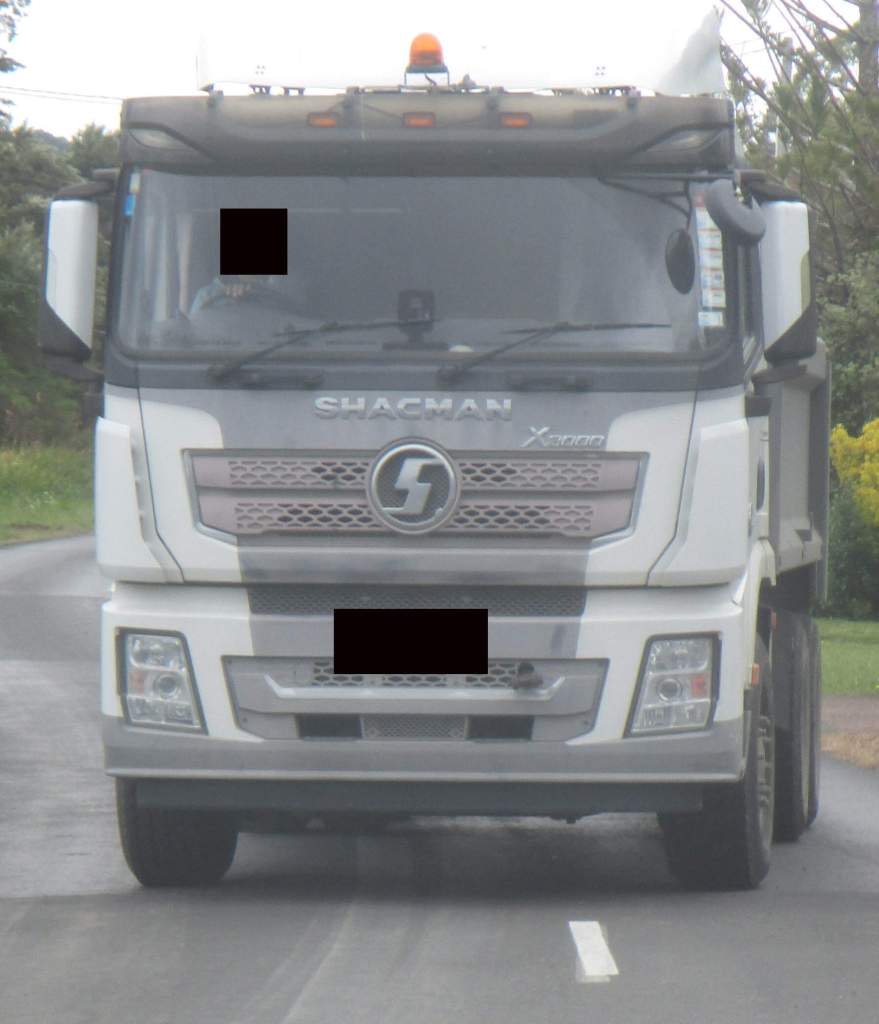
Likewise, illegal dumpsites can look legal. Contaminated fill can look like clean fill. Waste can be covered over by clean-looking fill. Private rural land down long driveways and away from the road is often used. But if seen, illegal dumpsite operators can also breezily claim that they are just doing “a little bit of landscaping”. Neighbours often turn a blind eye, too afraid of neighbourly conflict.
For the more experienced waste criminal, you can even disappear when you like. Some waste criminals hide their money and assets, and the New Zealand Companies Office offers fairly cheap and easy tools to inadvertently help make this happen. Waste criminals can also employ good lawyers and people who know how to move money and assets around quickly. Bosses can often create distance between themselves and their assets to evade capture.
If these efforts to remain hidden fail, then waste criminals can lurch between threats, intimidation, violence and bribery in attempts to keep concerned parties quiet.
Nobody really wants to talk about waste
Illegal dumpsites also stay hidden because waste just isn’t sexy. People want to throw things away and then forget about them. Bringing up the topic of waste causes eyes to glaze over.
Yet humans make waste. At this point in modern history, it’s inevitable. And now, our throwaway culture has given birth to waste crimes that pose a serious threat to the environment and our own health. Not talking about waste, including demolition and development waste, and ways to reduce it won’t make it go away. Instead, in blinding ourselves to our waste problem, it threatens to bury us all.
